

In the workplace, understanding intersectionality is key to fostering true inclusion which can strengthen an employee’s sense of belonging and value within the company. Intersectionality is a powerful framework that acknowledges how overlapping identities shape experiences.
An employee might simultaneously identify as a woman, a person of color, and a member of the LGBTQ+ community. Each of these identities contribute to her perspective, but they may also expose her to compounded discrimination. A one-size-fits-all DEI approach risks ignoring the unique challenges and strengths that come from living at these intersections. Some of the identities may be shared or recognized at work and yet some may not be.
To celebrate intersectionality, workplaces must move beyond surface-level inclusion. This means asking thoughtful questions:
Are policies equitable for all employees, including those navigating multiple marginalized identities?
Are training programs offered to educate teams about the complexity of intersectional experiences and how that impacts the team and the workplace?
Are systems in place to ensure fair treatment and equitable opportunities?
Storytelling is another impactful way to highlight intersectionality. Providing platforms for employees to share their stories fosters understanding and empathy. At a staff retreat, employees were asked to share what made their background and upbringing unique which was then made into a BINGO card. Employees had a chance to share about where they came from, what traditions were celebrated, and what challenged them to adapt to or power through adversity. The storytelling that took place as employees strolled throughout the room learning new facts about each other allowed for some personal disclosure that may not have been shared in day-to-day tasks. It also helps shape work culture and support the whole person, not just one aspect of their identity.
Beyond company policies and DEI initiatives, leaders must actively listen and adapt to the needs of their teams. If a team member shares, they are a single dad of two toddlers and the main caregiver of an ailing parent.
Are leaders and managers equipped with the skills and tools to recognize and address the unique needs of employees with intersecting identities?
Does the organization’s culture actively encourage dialogue and education about the complexities of intersectionality in everyday interactions?
Intersectionality encourages organizations to recognize the richness of human complexity, empowering employees to show up authentically and contribute fully. When team members feel truly seen and valued by colleagues and the company, the entire organization thrives.
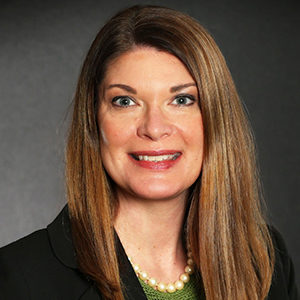
Lisa Moore
As Executive Director, Lisa incorporates her 20+ years of expertise in higher education and fraternal organizations to manage a broad range of association and membership services. She spent majority of her career providing leadership at Indiana State University, University of Illinois Urbana-Champaign and University of Southern Mississippi. Her higher education career focused on communication, marketing, student success services and alumni association. She is also a member of the Memphis Area Alumnae Panhellenic Association.