As a college senior in the Tourism, Convention, and Event Management program at IU Indianapolis, I’ve spent the last few years learning about what it takes to plan, execute, and wrap up successful events. As the current Meetings and Events Intern here at Raybourn Group International (RGI), I’ve had the opportunity to apply what I’ve learned in the classroom to real-life events for a variety of organizations and associations.
One of the most valuable tools I’ve discovered during my internship is the event timeline.
Why Event Timelines Matter
Event planning involves countless moving parts. As a young professional just starting out, the process can sometimes feel overwhelming. Fortunately, tools like event timelines can help simplify things by providing a clear structure and roadmap.
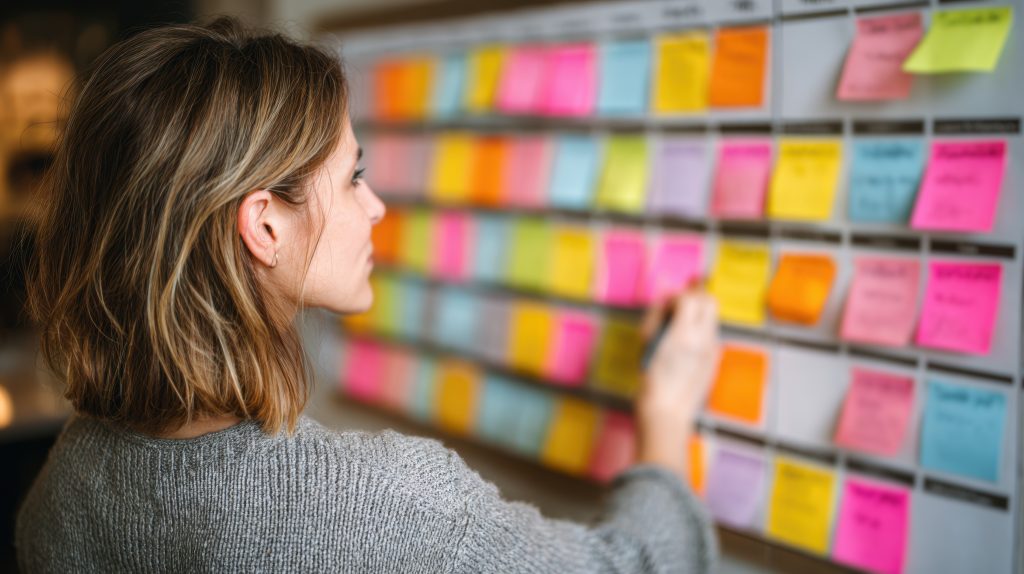
An event timeline is essentially a centralized document that organizes event information, milestones, key dates, tasks, and even budget details. It helps connect internal teams, vendors, and stakeholders by tracking the evolution of the event from start to finish. A well-built timeline is not only a time-saver, but a stress-reducer.
Customizable and Collaborative
One thing I’ve learned during my time at RGI is that event timelines aren’t one-size-fits-all. Each event is unique, and timelines should reflect that. The timeline template used at RGI is simple, yet comprehensive. It’s also low-maintenance, which makes it easier to keep updated without becoming overwhelming. Depending on what kind of event is being planned, timeline tasks can be detailed explanations or summarized steps. It is important to include enough details that clearly explain what needs to be accomplished.
During my internship, I explored project management tools like Asana, which RGI uses to build digital event timelines and tasks. Asana makes collaboration easier through its real-time updates, app access, and integrations with tools like Outlook. This allows teams to determine project tasks, assign responsibilities, and track progress in one shared space.
A good timeline includes milestone tasks which are key dates that anchor the rest of the schedule. These can be used to coordinate check-in calls with the event team or stakeholders and can help prioritize other tasks that depend on them.
Planning for the Unexpected
Event timelines aren’t static, they evolve. Factors like whether the event is in-state or out-of-state can influence the planning process. That’s why it’s important to regularly review and update the timeline as details change.
If a task needs to be rescheduled, consider how that impacts other parts of the plan. By adding buffer time into the timeline, potential vendor delays, venue changes, or other unexpected challenges can be managed effectively.
As RGI Meetings Planner Emily Wrinkle says, “it’s always better to be proactive than reactive.”
Reflecting After the Event
The usefulness of an event timeline doesn’t end when the event does. After everything is wrapped up, taking time to reflect on what worked—and what didn’t—can improve the timeline for future events. Did certain tasks need more time? Were some steps completed too early or too late? Asking these questions helps fine-tune the process for next time.
Creating and managing event timelines is a skill that takes time and experience to develop. As someone entering the field, learning how to build and maintain these timelines has been a valuable part of my professional growth. As I continue growing in this field, I know this is a tool I’ll carry with me and continue to improve. It’s been exciting to take what I’ve learned in the classroom and apply it in a real-world setting, and I’m looking forward to where my career journey in event planning takes me.

Sydney West
Sydney West joined RGI in Fall 2025 as the Meetings Intern, bringing a strong foundation in event planning, customer service, and hospitality. A senior at IU Indianapolis pursuing a degree in Tourism, Convention, and Event Management, Sydney also holds a minor in Communication Studies and a Business Foundations Certificate. She has gained hands-on experience by volunteering at events throughout Indianapolis and has worked across industries including live music and hospitality. Passionate about event programming and scheduling, Sydney is eager to expand her knowledge of association management and the broader association industry through her internship. Outside of work, she enjoys reading, spending time with her cat, and exploring all that Indianapolis has to offer.